In St. Louis and surrounding areas like Chesterfield and Ballwin, sewage backup is not just inconvenient—it's hazardous. Sewage backups generally involve contaminated water from various sources, including sinks, toilets, and drains, making immediate action crucial to minimize water damage and protect your health. Sewage water falls under Category 3 black water, which contains dangerous pathogens. When you call United Water Restoration Group of St. Louis - West, our expert team is ready to respond with speed and the expertise required to handle these complicated situations. From initial water extraction and moisture control to thorough sanitization, our professionals are trained in the latest IICRC standards. We carry advanced equipment such as thermal imaging tools and moisture meters to restore your property efficiently. This quick response aims not only to manage the immediate crisis but also to preserve your property's integrity while ensuring a safe and hygienic environment.
- 24/7 emergency response team in St. Louis area
- Certified IICRC-trained professionals on every job
- Comprehensive sewage cleanup from extraction to sanitization
- Insurance claim assistance at every step
- Use of state-of-the-art moisture mapping technology
- Reliable, experienced, and locally trusted services
Understanding Sewage Backup and Its Dangers
Sewage backup can occur suddenly and create an unsafe environment in your home. When wastewater from sinks, showers, or toilets backs up into your residence, it spills a mixture of harmful bacteria, viruses, and fungal pathogens. This Category 3 black water is highly contaminant and should not be handled without the proper protective gear by trained professionals. The presence of pathogens can lead to serious health issues, including respiratory infections and allergic reactions.
In the St. Louis area, factors like old sewer lines, heavy rains overwhelming city systems, or tree roots invading sewer pipes contribute significantly to sewage backup issues. Homes in areas such as Chesterfield and Ballwin often experience increased vulnerability due to these factors. Additionally, aging infrastructure in cities like Valley Park further heightens the risk. Understanding these local influences helps us tailor our approach to each specific situation. Our professional team conducts a thorough inspection to identify the source of the problem before executing an effective cleanup strategy.
We ensure adherence to the IICRC S500 standard throughout our processes, which involve containment barriers and specialized equipment such as negative air machines and dehumidifiers. These tools not only remove the immediate waste but also manage moisture influx to minimize secondary damage like mold growth. It’s about restoring safety and function to your home while safeguarding your family's health, ensuring that your environment is returned to its pre-loss condition.
The Cleanup Process from Start to Finish
Our sewage backup cleanup process in St. Louis has been designed to offer comprehensive services that cover everything from the immediate removal of waste to the long-term prevention of future issues. The cleanup starts with an emergency assessment, where we use thermal imaging inspection to map out the extent of contamination and damage. This is crucial for identifying all areas that may have absorbed moisture, like subfloors or wet drywall.
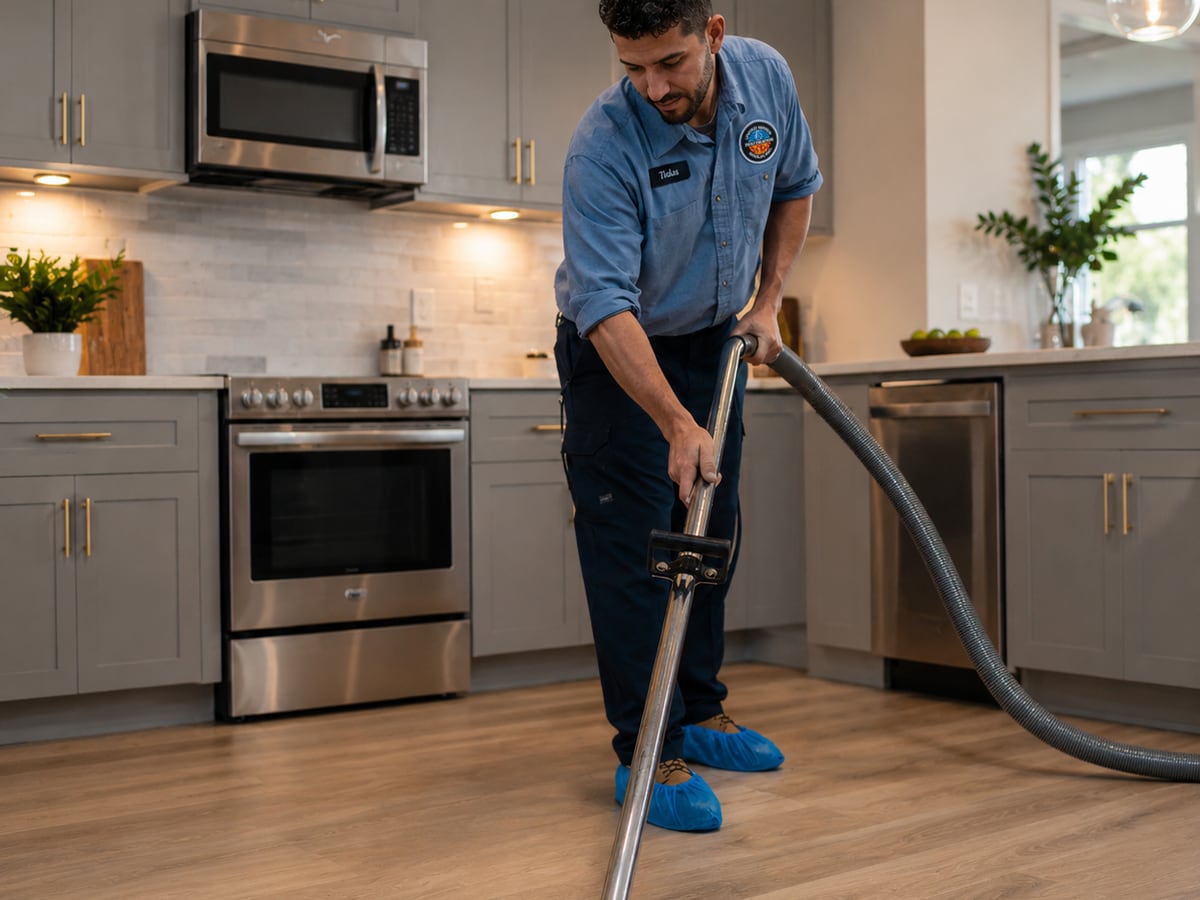
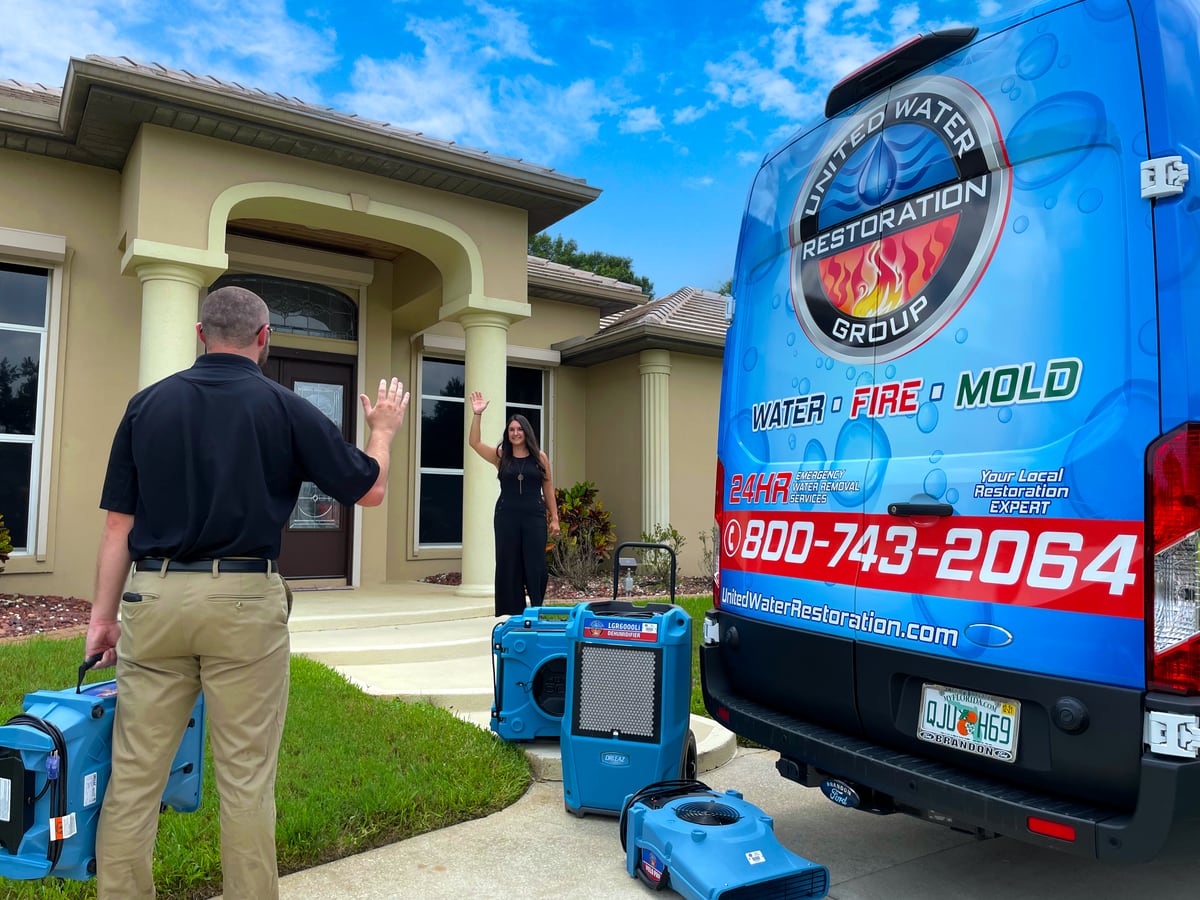
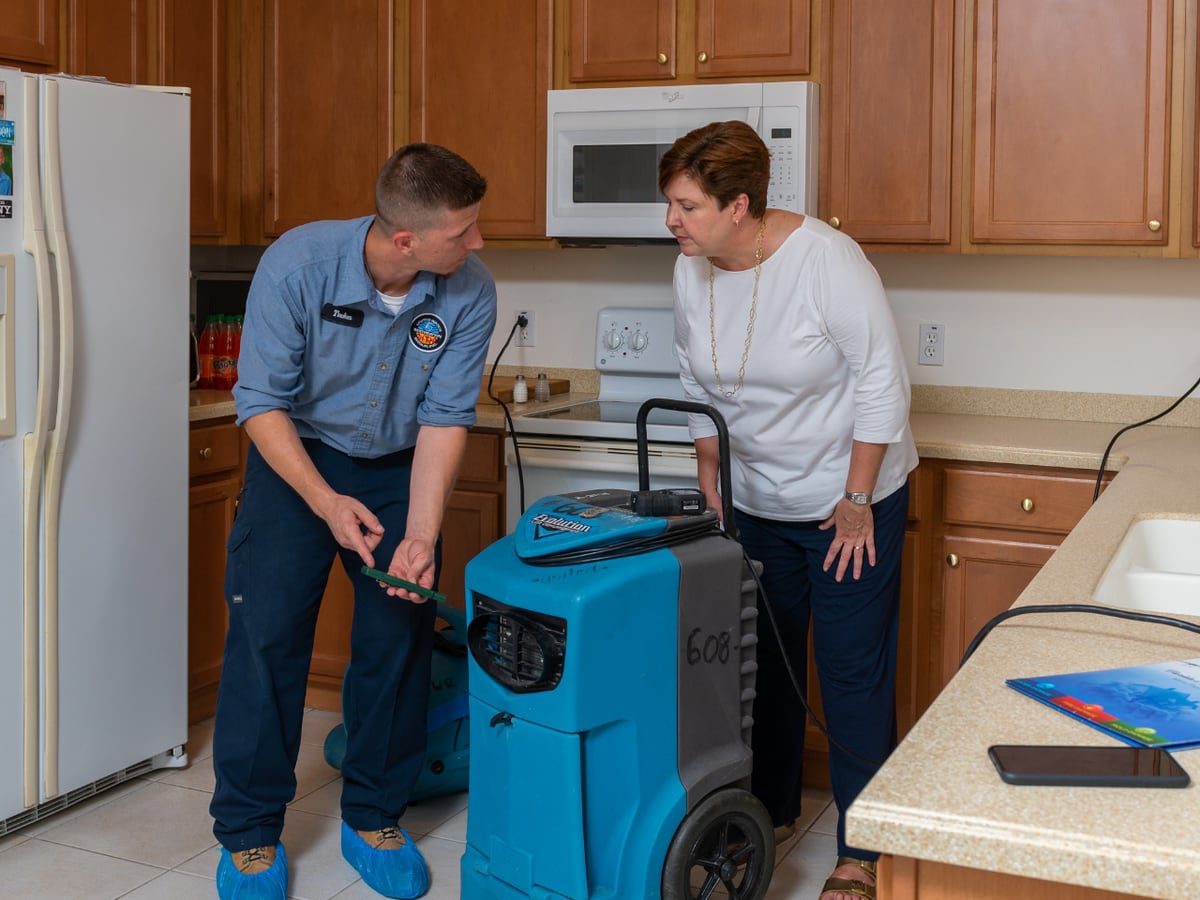
Next, water extraction is performed using high-efficiency machines capable of removing large volumes of standing water and moisture that may have infiltrated tough spots. These machines work in tandem with moisture meter readings to guide the focused approach necessary for thorough dehumidification. Our team uses low-grain refrigerant dehumidifiers alongside powerful air movers to facilitate structural drying. This targeted drying method helps remove residual moisture, ensuring that the environment is less conducive to mold proliferation.
During the cleanup, we also establish containment areas using vapor barriers to segregate affected zones from intact areas, limiting further spread of contaminants. These controlled environments also allow for effective use of antimicrobial treatments designed to sanitize and inhibit regrowth of mold and bacteria. In conjunction with daily drying logs, we continuously monitor progress, adapting our strategy to ensure effective results. Each completed service includes a comprehensive inspection to verify that the property meets safe moisture levels, as reported through our detailed moisture mapping.
Working with Your Insurance Provider
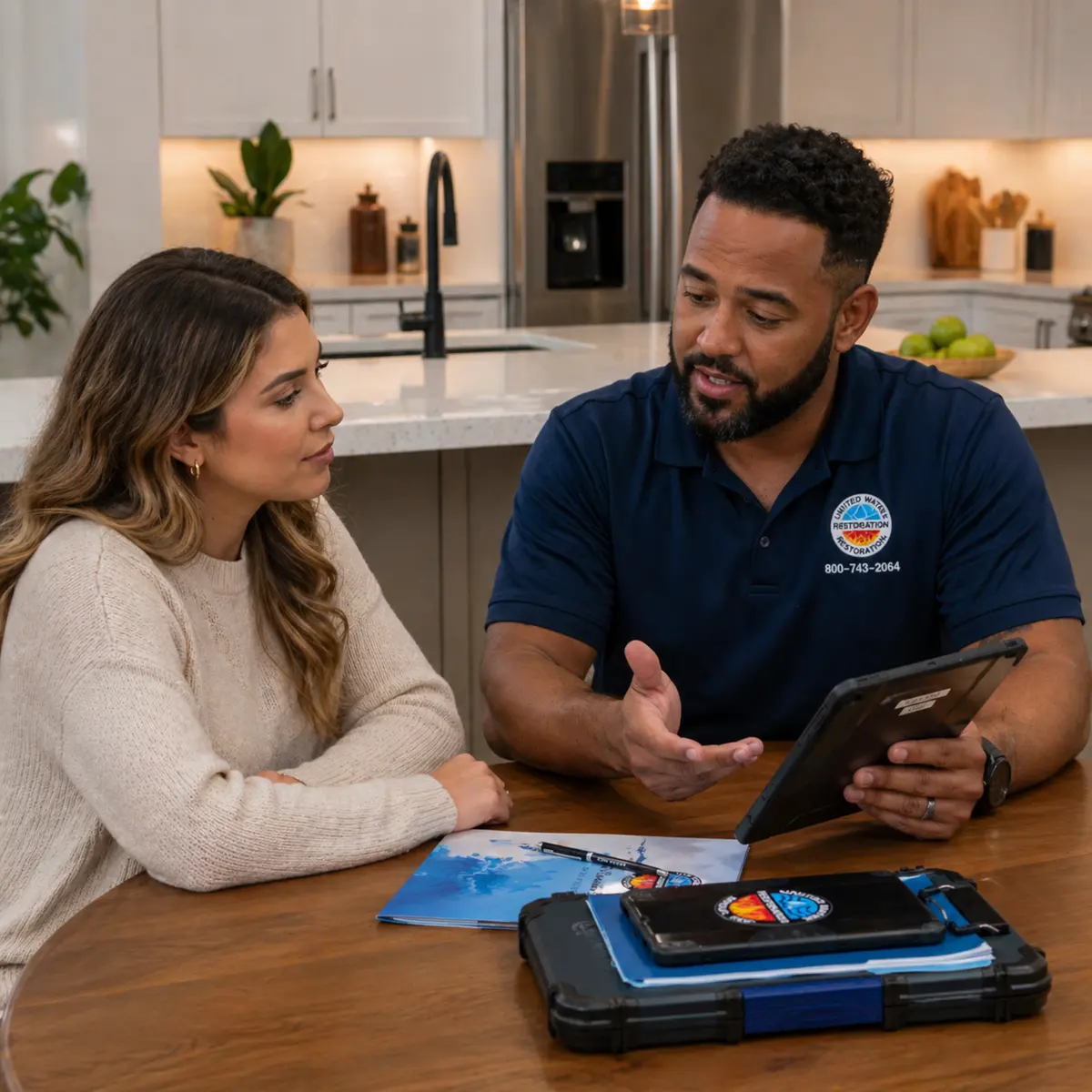
Navigating insurance claims can be daunting when you’re already handling the stress of a sewage backup in your St. Louis area home. At United Water Restoration Group of St. Louis - West, we strive to make this part of the process as seamless as possible by using our extensive knowledge of industry practices and local regulations. Our experienced team assists you in preparing and compiling necessary documentation, which includes a detailed scope of work, moisture mapping reports, and daily logs tracking the entire restoration process.
We also engage directly with your insurance adjuster throughout the claim process, leveraging our expertise to provide accurate, industry-standard estimates that reflect the complexity and scope of the work needed. Our knowledge of local conditions allows us to clarify the classification of water loss and the specific remediation necessary, aiding timely approvals and the proper disbursement of claims.
By building a close working relationship with your insurer, we not only expedite the claim process but also aim to secure compensation that adequately covers both immediate cleanup costs and future restoration tasks such as mold prevention and potential structure repairs. You’ll receive continuous updates and clear communication from our team, ensuring transparency and peace of mind during what can be a trying time for all involved.
Local Expertise in Sewage Backup Challenges
Local weather patterns in areas like Fenton and Maryland Heights significantly impact the frequency and severity of sewage backup incidents. Heavy rainfall can saturate soil and increase water table levels, thereby causing municipal sewer systems to overflow and fail. Consequently, homes experience increased pressure on both public and private plumbing systems, heightening the risk of a spillover.
Moreover, older infrastructures in locales such as Earth City and Saint Ann, typically burdened by outdated plumbing systems, may experience more frequent failures. These factors necessitate a rapidly responsive and well-informed approach when addressing sewage backup. With our deep understanding of these challenges, United Water Restoration Group of St. Louis - West is equipped to handle local intricacies with efficiency and precision.
Additionally, the housing diversity in the area—ranging from homes with crawl spaces susceptible to sump pump failures to estates encountering advanced plumbing issues—demands an adaptable and knowledgeable response. Whether addressing burst pipes or ensuring effective water extraction from hardwood floors showing signs of cupping, our highly trained technicians bring region-specific insights and equipment to every job. This allows us to deliver solutions that protect your property's value and ensure a healthy living environment.