Mold Remediation

Serving all of St. Louis - West · Open 24/7 · (314) 455-5900

When you notice a musty odor or suspicious spots in your Saint Louis home, it often indicates a mold problem. Calling United Water Restoration Group of St. Louis - West provides you with immediate access to professional mold remediation. Our expert team manages every step of the process, from containment to removal, following the rigorous IICRC S520 standard. By employing advanced HEPA filtering technology and precise moisture source identification, we ensure a comprehensive approach to mold eradication. Our local understanding of the specific challenges homes in St. Louis face means we are particularly attuned to the needs of our community. From your first phone call, you'll be supported by experienced professionals dedicated to restoring your home to a safe and healthy environment, offering both prompt service and peace of mind.

  • Immediate response technicians on call
  • Certified IICRC trained professionals
  • Comprehensive mold containment and removal
  • Insurance claim assistance provided
  • Advanced HEPA filtration technology
  • Focus on prevention of future mold issues

Understanding Mold Risks in St. Louis Homes

St. Louis homes face unique challenges due to high humidity and precipitation levels, making them susceptible to mold growth. During the humid summer months, the moisture content in homes can significantly increase, particularly in basements and crawl spaces which are often poorly ventilated. These areas trap moisture, creating an ideal environment for condensation and subsequent mold development over time. Mold infestations can cause structural damage to wood, drywall, and other building materials, weakening the integrity of your home's structure.

The implications of mold go beyond physical damage; they pose serious health risks. Spores such as Stachybotrys, Aspergillus, and Penicillium can trigger severe respiratory issues, allergies, and other health complications. Prolonged exposure to these spores can exacerbate conditions like asthma and can even lead to long-term respiratory illnesses. This underlines the importance of timely identification and intervention. Mold remediation is crucial to safeguarding not just the physical integrity of your home, but also the health of its inhabitants. Our team uses advanced tools, including moisture meters and air sampling, to detect hidden mold behind walls and in attic spaces, ensuring your home is thoroughly assessed and treated.

The Mold Remediation Process

Mold remediation involves a multi-step process designed to address both the visible and hidden issues associated with mold infestations. Our process starts with a comprehensive inspection, which allows us to pinpoint where mold has developed and identify the moisture source causing it. Our experts are equipped with state-of-the-art technology, such as moisture meters, to accurately assess the extent of the damage and determine the best course of action. This upfront analysis is critical to ensure no part of the mold problem goes untreated.

Once we have a full understanding of the situation, we implement strict containment measures to prevent the spread of mold spores. Using 6-mil plastic sheeting and establishing negative air pressure zones, we effectively isolate affected areas from the rest of your home. This precaution is vital to avoiding cross-contamination and further infestations.

The actual remediation process involves removing mold-affected materials through controlled demolition. Our team carefully handles this step to avoid releasing more spores into the air. We use HEPA vacuuming to remove lingering spores from surfaces, and our antimicrobial treatments ensure all surfaces are clean, sanitized, and resistant to future mold growth. Comprehensive post-remediation verification, including third-party clearance testing, is conducted to ensure mold levels are reduced to safe standards. This step is essential to confirm the effectiveness of the remediation and to provide peace of mind that your living environment is healthy and secure.

Navigating Insurance Claims for Mold

Navigating the insurance claim process can be a daunting task, but we're here to help make it as seamless as possible for you. It’s a common misconception that all mold damage is covered under homeowner’s insurance. Understanding the specific terms of your policy is critical—generally, policies cover mold remediation when it’s a result of a covered peril such as storm damage or sudden and accidental plumbing failures. However, coverage typically excludes issues resulting from prolonged neglect or insufficient maintenance, such as long-term leaks or humidity-related growth.

Our team assists you in documenting the damage with detailed reports and photographs, facilitating communication with your insurance company. We provide the necessary evidence and expert opinions that insurance adjusters require, making it easier to support your claim. Quick evaluations and a thorough understanding of policy details can significantly ease the claim process. While we cannot guarantee specific coverage outcomes, our expertise in dealing with insurance companies in the St. Louis area ensures we can navigate local nuances effectively and advocate on your behalf.

Your peace of mind is important to us. By providing comprehensive evidence and expert guidance, we work to ensure you receive the best possible coverage for your mold remediation needs. Our involvement doesn't end with remediation; we remain committed to supporting you through every stage of the process, from inspection to final documentation.

Preventing Future Mold Issues

After successful remediation, preventing future mold growth is crucial. This often requires changes in how you manage moisture within your home. Regular maintenance and monitoring of areas prone to moisture buildup, such as basements, bathrooms, kitchens, and crawl spaces, are essential. Consider installing vapor barriers or improved ventilation systems in neglected areas to discourage condensation and excessive moisture retention.

Maintaining relative humidity levels below 50% helps in preventing mold regrowth. Using dehumidifiers in moisture-prone areas is a practical solution, especially during humid summer months. Proper attic and crawl space insulation also play a significant role in preventing moisture absorption that leads to mold growth.

Beyond structural changes, promptly addressing plumbing leaks and ensuring your roof and foundation are sealed can prevent water intrusion. Our experts provide personalized recommendations based on your home’s specific conditions to help you maintain optimal indoor air quality. Regularly scheduled inspections can identify potential problems before they escalate, thereby protecting both the health of your home and its residents. Ongoing vigilance and minor adjustments can have long-lasting effects on preventing future mold outbreaks.

Common Causes We See in St. Louis - West

  • High attic mold levels, due to insufficient ventilation, common in poorly insulated spaces
  • Crawl space mold, from rising basement humidity often aggravated by inadequate sealing
  • Bathroom mold growth, linked to inadequate ventilation, is frequent in areas with poor exhaust fans
  • Hidden leaks, causing mold behind your walls, typically from old or faulty plumbing systems
  • Stubborn condensation, on windows and doors, resulting from high indoor humidity levels
  • Faulty plumbing, leading to slow leaks, often disregarded until mold appears
  • Roof leaks, which introduce moisture into attics, particularly during heavy rainfall
  • Poorly sealed foundations, allowing moisture ingress, particularly in older homes
  • Flooding events, which can saturate household contents, creating conditions ripe for mold
  • Indoor plants, which can inadvertently increase local humidity levels if overwatered

While You Wait for the Crew

A few minutes of the right first moves can save thousands in damage. Here is what to do — and what not to do — before we arrive.

Do

  • Identify and resolve any active water leaks promptly to prevent further moisture intrusion
  • Increase ventilation to reduce moisture buildup, especially in frequently used areas
  • Vacuum floors with a HEPA filter vacuum to pick up spores without spreading them
  • Wipe down surfaces with mild detergent and water to reduce visible molds until professional help arrives
  • Keep affected areas as dry as possible using fans or dehumidifiers, avoiding excessive moisture

Don’t

  • Don’t use bleach to clean visible mold as it may worsen the situation by releasing additional spores
  • Avoid disturbing the mold, which can release spores into the air, increasing spread and health risk
  • Refrain from covering up mold with paint or sealants, which only masks the problem temporarily
  • Do not attempt major dehumidification or removal without professional guidance, as incorrect methods can exacerbate the problem

Crews are standing by in St. Louis - West right now.

Call (314) 455-5900

How It Works

Here Is What Happens When You Call

The hardest part of property damage is facing it on your own. You do not have to — from the first phone call, it is our job, not yours.

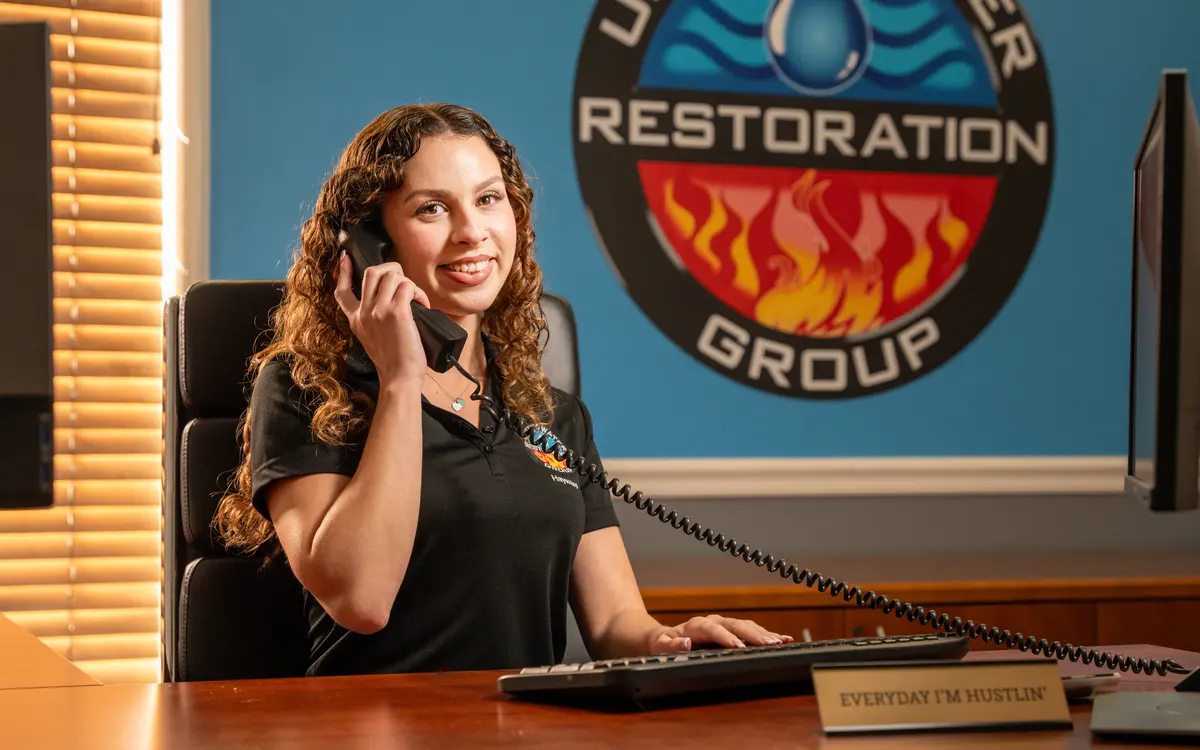
  1. A dispatcher at her desk answering the phone

    Step 01

    Initial Assessment

    We conduct a thorough inspection to identify all areas affected by mold and the source of moisture using both visual inspection and advanced tools like moisture meters. Air sampling may also be utilized to evaluate indoor air quality.

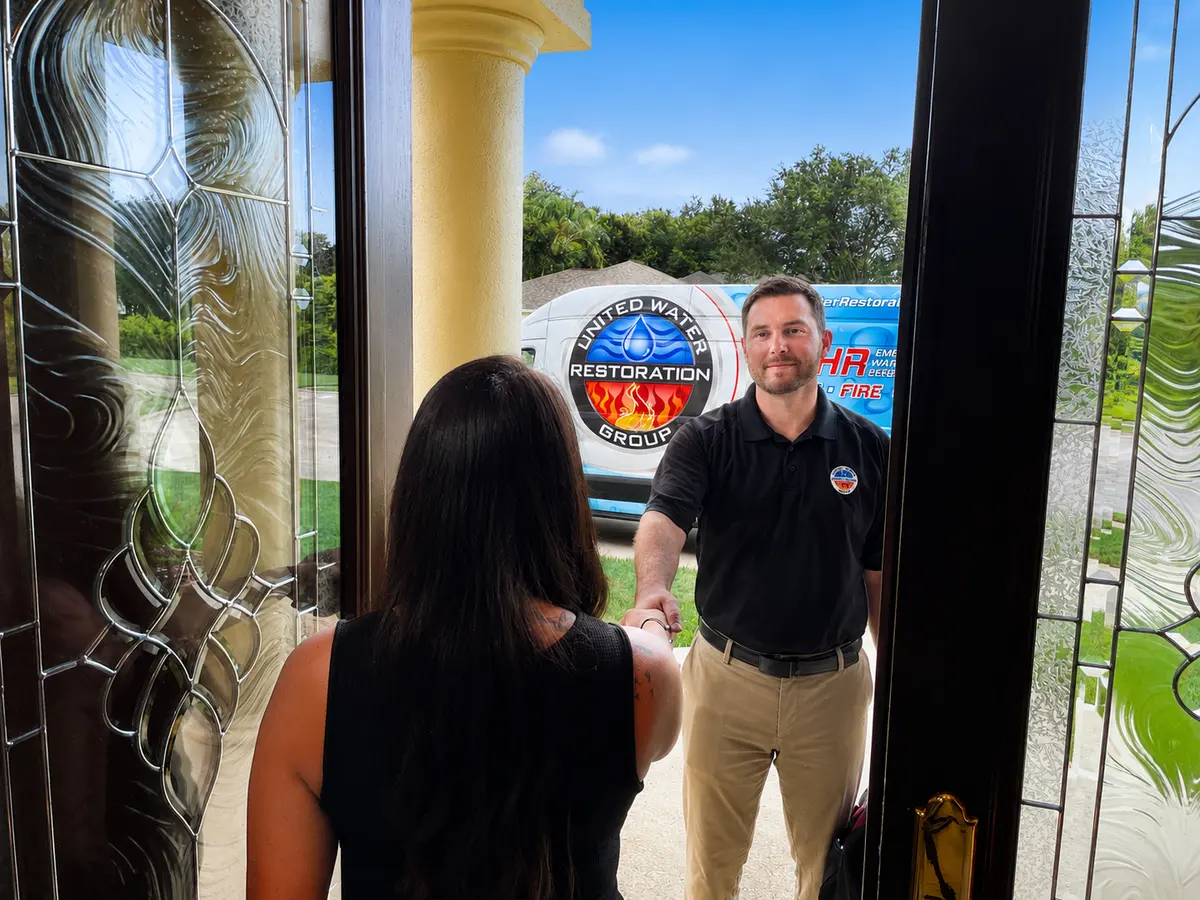
  2. A technician arriving at a homeowner’s front door to look at the damage

    Step 02

    Containment

    Using 6-mil plastic sheeting, we establish containment barriers to isolate impacted areas. Combined with negative air pressure machines, this prevents the spread of mold spores during remediation.

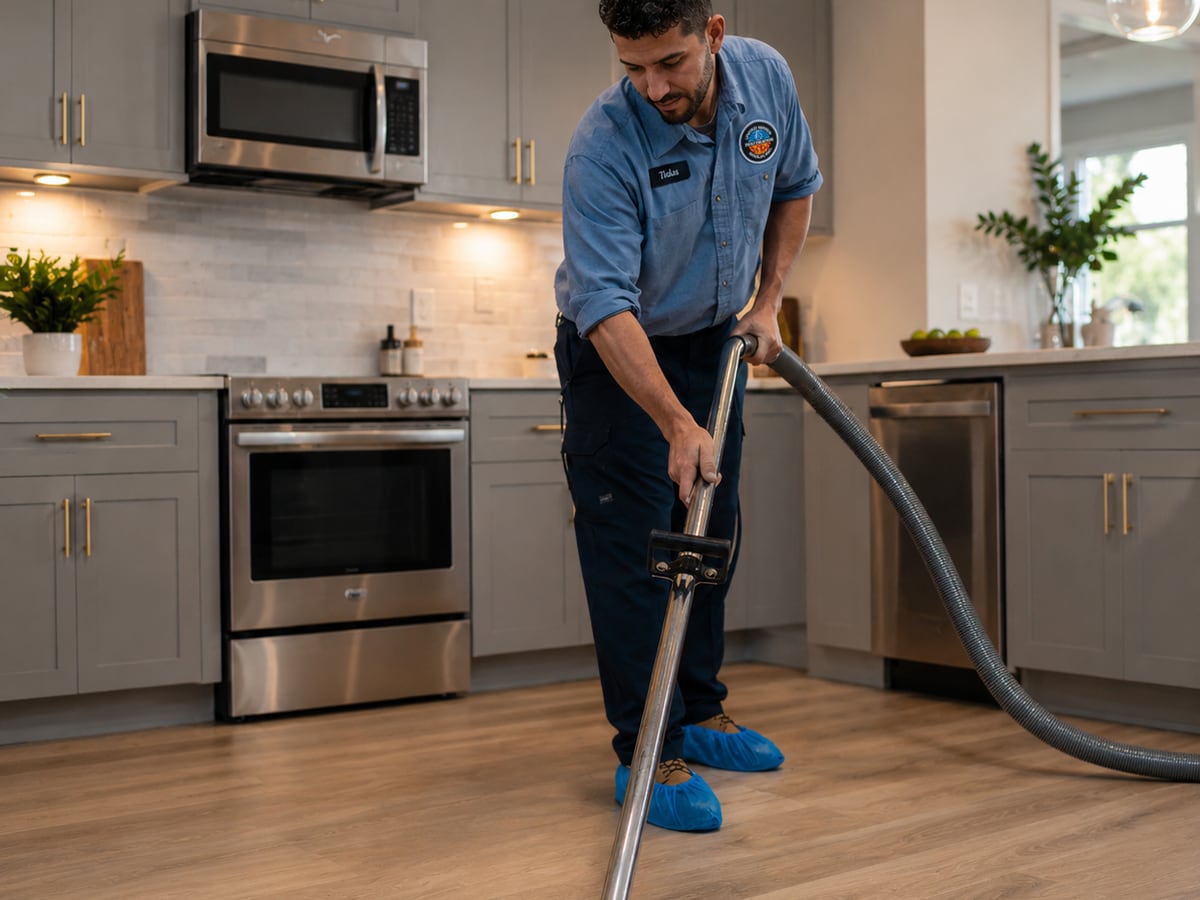
  3. A technician drawing water out of a kitchen floor with an extraction wand

    Step 03

    Removal and Cleaning

    Materials contaminated with mold are removed and disposed of according to industry standards. HEPA vacuuming and antimicrobial treatments are employed to clean and sanitize all surfaces effectively.

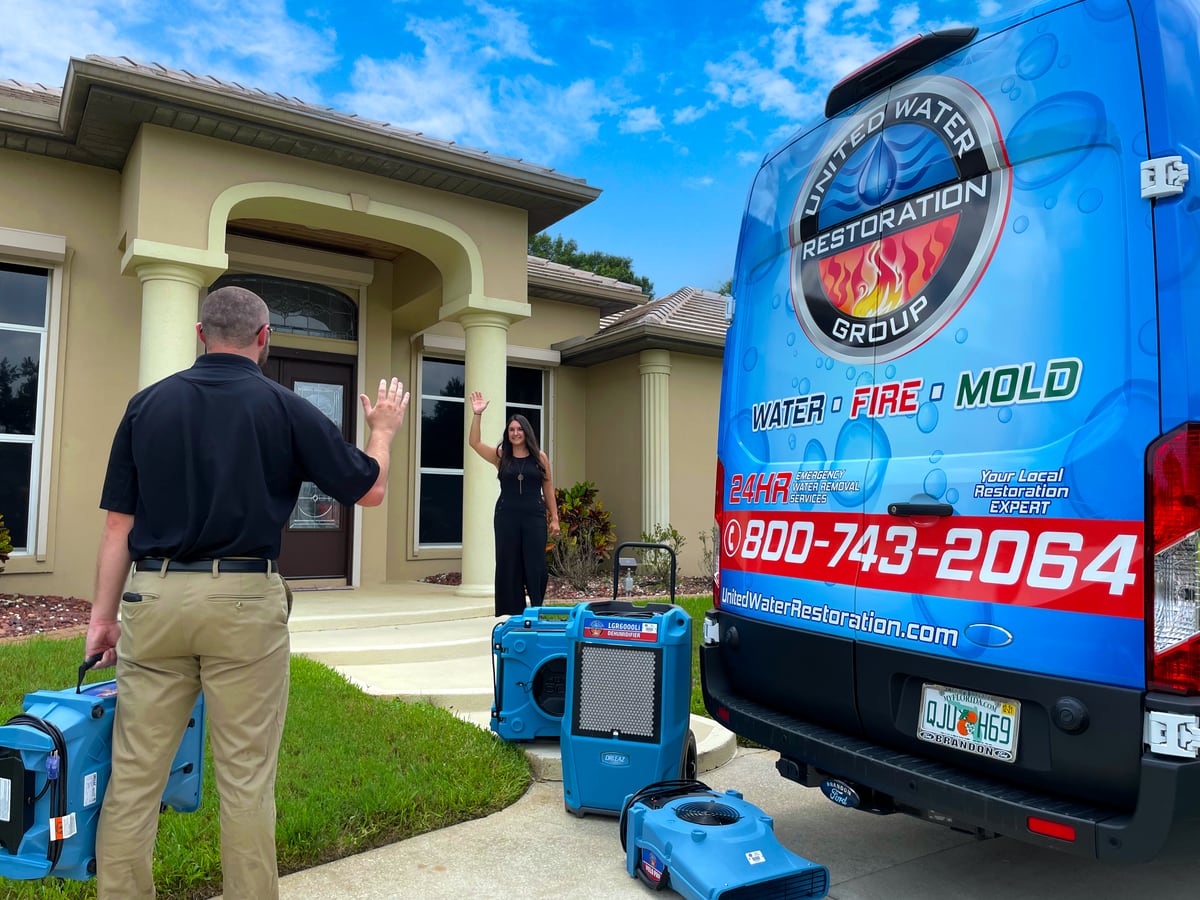
  4. A technician carrying equipment back to the van, waving to the homeowner at her door

    Step 04

    Drying and Dehumidification

    Through the use of industrial-grade dehumidifiers, we remove any lingering moisture. This step ensures mold does not return by maintaining indoor humidity at below 50 percent.

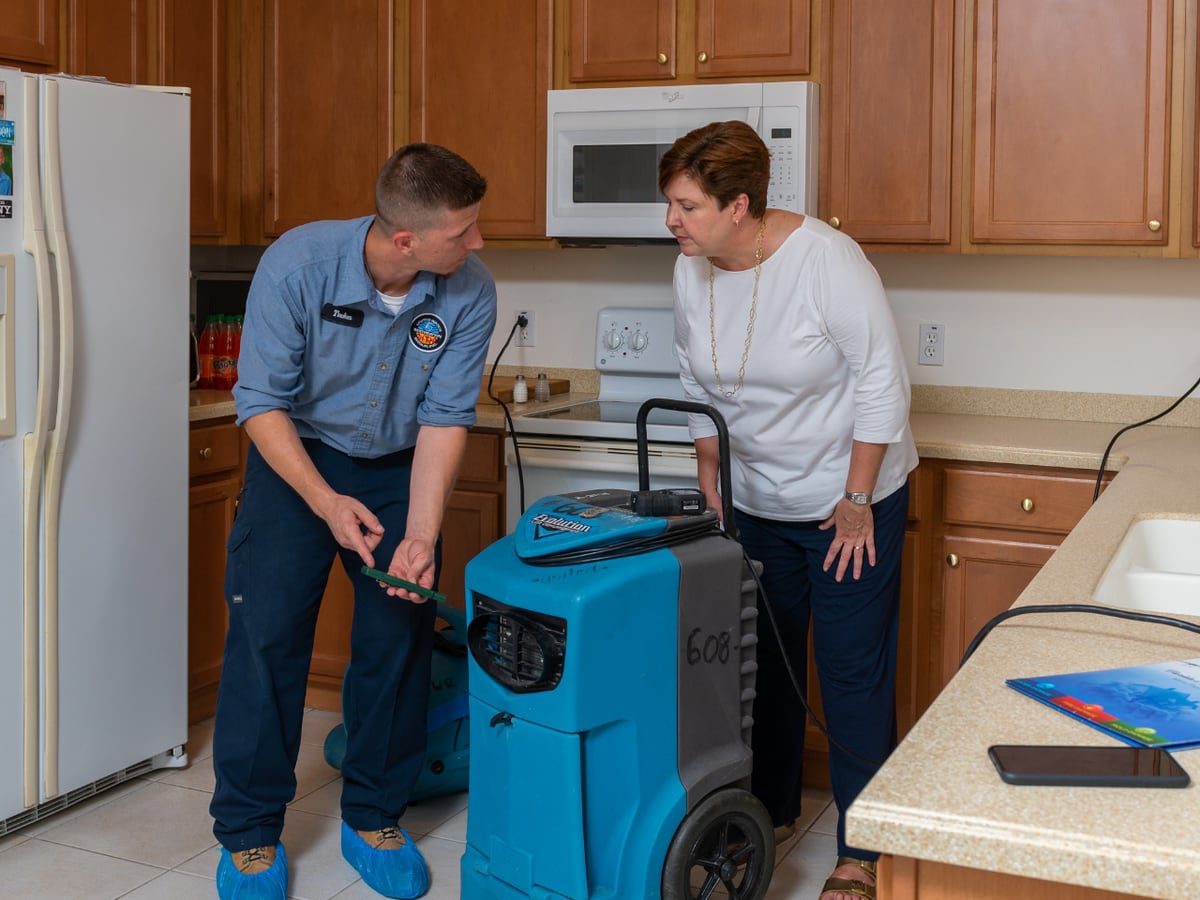
  5. Two technicians setting up drying equipment in a kitchen

    Step 05

    Verification

    Once remediation is complete, post-remediation verification, including third-party clearance testing, confirms the complete removal of mold to established safe levels, ensuring your home is healthy and habitable.

We Work With Your Insurance

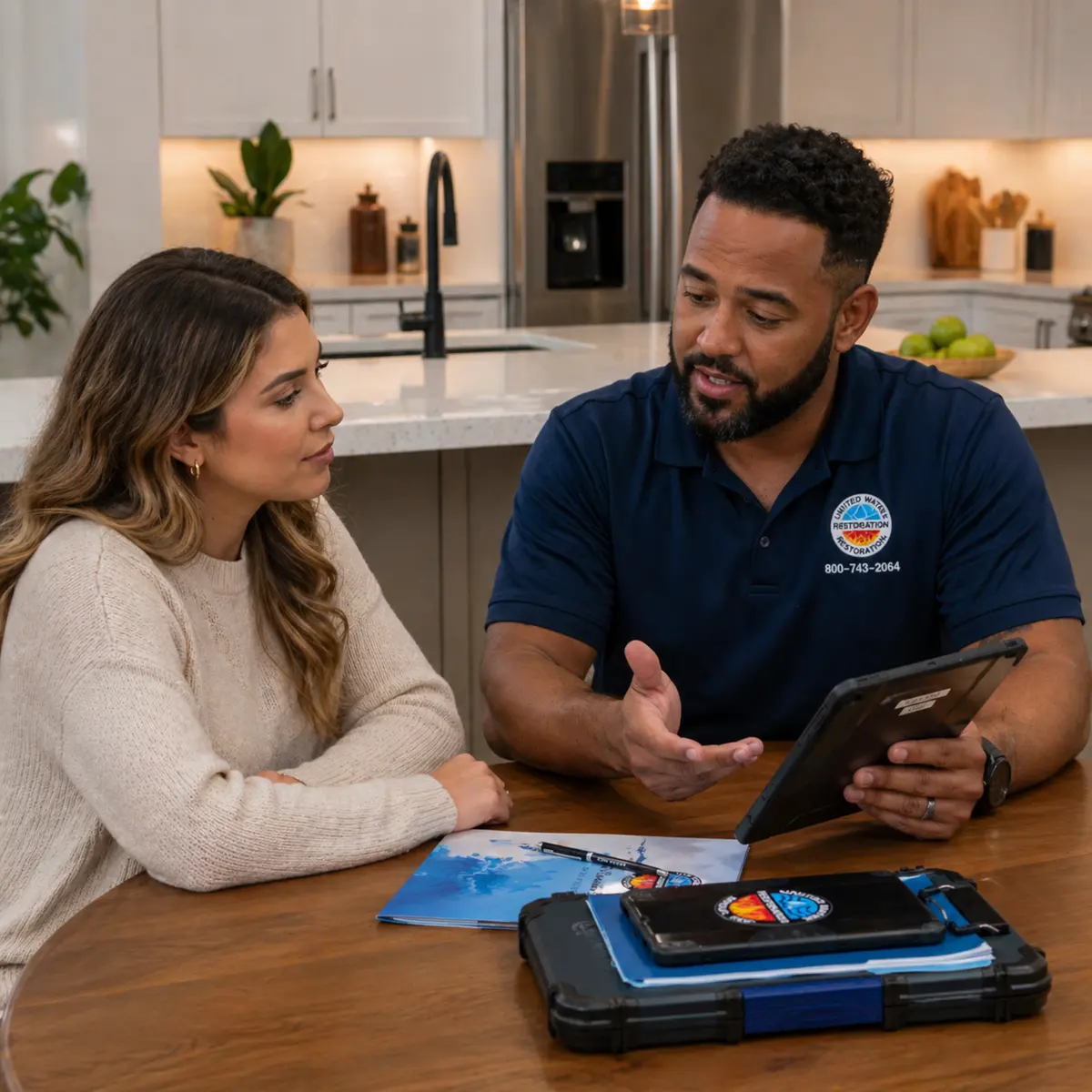
Restoration is stressful enough without fighting through a claim alone. Our crews document everything — photos, moisture readings, and a clear scope of work — in the format adjusters expect, and we communicate with your insurance company throughout the job. You always know what is happening and what your policy covers before work begins.

AllstateState FarmLiberty MutualProgressiveNationwideFarmers InsuranceAmerican Family InsuranceChubbUniversal Property & CasualtyHeritage Insurance
Technician walking a homeowner through the insurance scope on a tablet

What This Service Covers

Mold inspection and testing for initial identificationControlled demolition and repair of affected areasEncapsulation services to prevent moisture penetrationAttic and crawl space mold solutionsBasement and foundation mold removalAntimicrobial application to prevent regrowthDehumidification and humidity controlPlumbing repair for moisture source eliminationAir quality improvement using HEPA-filtered air scrubbersPreventative mold solutions tailored to individual property needs

Mold problems don't wait, and neither should you. Trust United Water Restoration Group of St. Louis - West to manage and remediate mold issues effectively. Our thorough process, from initial inspection to final clearance testing, ensures a safe and healthy environment for your family. Let us tackle the mold so you can enjoy your home again. Call us today at (314) 455-5900 to take the first step towards a mold-free home and breathe easier knowing your living space is clean and safe.

Frequently Asked Questions

Is black mold a threat to my family?

Yes, black mold can pose health risks, especially for individuals with respiratory issues, allergies, or weakened immune systems. It’s important to address any mold problems promptly to protect your family's health. If you suspect black mold in your home, consider contacting a professional for inspection and remediation.

Can I use bleach to clean up mold myself?

Using bleach may kill surface mold, but it doesn’t address underlying moisture or prevent regrowth. In fact, bleach can sometimes exacerbate mold problems. We recommend consulting with professionals to ensure safe and effective mold remediation in your St. Louis area home.

What makes mold return after removal?

Mold often returns if the underlying moisture issues aren’t addressed. Common causes include leaks, high humidity, or poor ventilation. To prevent mold reoccurrence, it's crucial to identify and fix the source of moisture before remediation. Our team can assist you in conducting a thorough assessment.

Does homeowners insurance cover mold remediation?

Coverage for mold remediation varies by policy and insurance provider. Most homeowner's insurance policies cover mold damages if they result from a covered peril, like water damage. It's best to review your policy or speak to your insurance agent for specific details regarding coverage in West St. Louis County.

How can I tell if mold is hidden behind my walls?

Signs of hidden mold may include a musty odor, water stains, or peeling paint. If you notice these indicators, it may be wise to arrange for professional mold assessment to determine if mold is lurking behind your walls. We can provide a comprehensive evaluation.

Should I conduct mold testing before remediation?

While not always required, mold testing can help identify the type and extent of mold present in your home. This step often provides insight into the best remediation approach. Our team in St. Louis is equipped to offer testing and remediation for a thorough process.

Request Service Online

Tell us what happened and we will call you right back. For emergencies, calling (314) 455-5900 is always fastest — we answer 24/7.

A United Water Restoration Group of St. Louis - West van heading out on an emergency call at sunset

In Case of Property Damage, Call:

314-455-5900

We answer around the clock and dispatch from right here in St. Louis.

IICRC Certified · Water · Fire · Mold · 24/7 Emergency Response